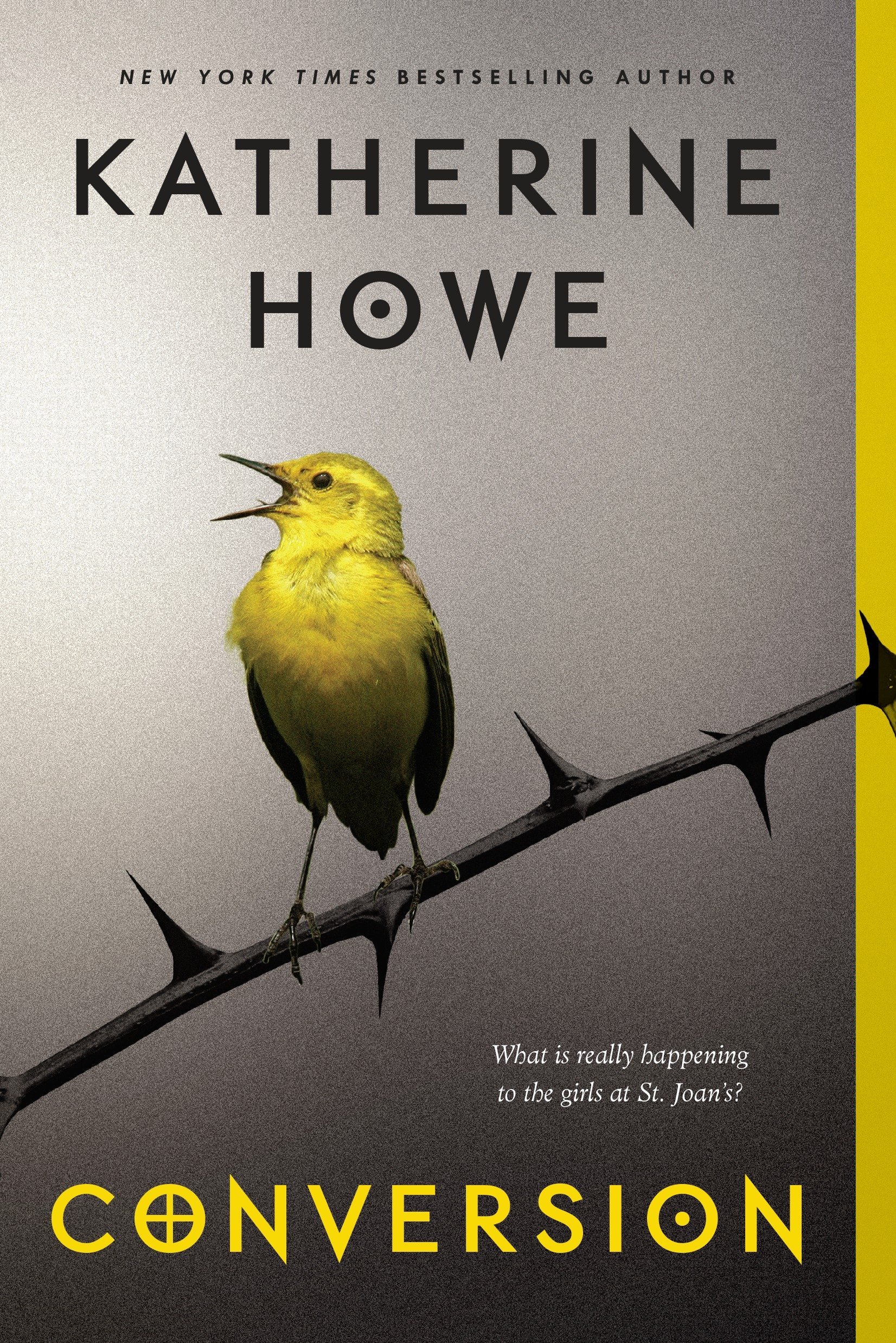
Dear Martin by Nic Stone
English 3 CP1 & CP2 Summer Reading Assignment
Guided Reading Questions
DIRECTIONS: You are NOT required to complete the reading guide. However, the assessment you will take on the novel is an open-note/open-book assessment. If you complete these questions, you will be permitted to use them to help you complete the test.
Chapter 1: Reading Questions
Character & Setting
3. What prompts Justyce to intervene with Melo? What are the consequences?
4. How does the police officer treat Justyce during the encounter?
5. What is Justyce’s emotional response to being handcuffed, and how does it shape the chapter?
Themes & Symbols
6. How is racial profiling introduced as a central theme in this chapter?
7. What role does privilege play in how Melo and Justyce are treated?
Foreshadowing & Literary Devices
8. What does this chapter foreshadow about the challenges Justyce will face?
9. Identify an example of figurative language and explain how it contributes to the tone.
Chapter 2: Reading Questions
Character & Setting
1. How does Justyce reflect on his arrest in the aftermath?
2. What do we learn about Justyce’s school environment at Braselton Preparatory Academy?
Plot & Conflict
3. What incident prompts Justyce to begin writing letters to Dr. Martin Luther King Jr.?
4. How does the way Justyce is perceived at school contrast with how he was treated by the police?
5. What conflict is introduced between Justyce’s internal identity and how others perceive him?
Themes & Symbols
6. How does the concept of "double consciousness" appear in Justyce’s experience?
7. What does Justyce hope to gain by writing to Dr. King?
Foreshadowing & Literary Devices
8. What might the act of writing to Dr. King foreshadow about Justyce’s journey?
Chapter 3: Reading Questions
Character & Setting
1. How does the classroom setting contribute to the tension in the discussion about race and privilege?
2. What do we learn about Justyce’s classmates, particularly Jared and SJ?
Plot & Conflict
3. What sparks the debate in Mr. Ward’s Socio-Econ class?
4. How does Jared’s argument reflect his understanding (or lack of understanding) of systemic racism?
5. How does Justyce respond during the discussion, and why does he hold back at times?
Tone, Style & Voice
6. What is the tone of the classroom conversation, and how does it shift as the debate continues?
Foreshadowing & Literary Devices
7. How might this class discussion foreshadow future conflicts between characters?
Chapter 4: Reading Questions
Character & Setting
1. What does the car ride with Manny and the others reveal about their friendships and shared experiences?
2. How does Justyce feel about the jokes and comments made in the car?
Plot & Conflict
3. How does Jared attempt to minimize Justyce’s earlier experience with the police?
4. How does Justyce’s reaction to Jared’s comments differ from his classmates?
Themes & Symbols
5. How does this chapter continue the theme of racial tension in friendship groups?
6. What does Jared’s tone reveal about how people use humor to avoid accountability?
Tone, Style & Voice
7. How does Nic Stone use Justyce’s silence to emphasize emotional conflict?
Foreshadowing & Literary Devices
8. How might the dismissive comments from Jared foreshadow a deeper conflict?
Critical Thinking & Reflection
9. What do you think about the way Manny and the others handle Jared’s views?
10. Why might Justyce feel more alone in a group of friends who look like him but don’t share his values?
Chapter 5: Reading Questions
Character & Setting
1. How is Justyce’s academic identity highlighted in this chapter?
2. What is the significance of SJ’s encouragement of Justyce’s writing?
Plot & Conflict
3. What does the letter to Dr. King reveal about Justyce’s internal conflict?
4. What issue is Justyce grappling with in terms of race and respectability?
5. How does Justyce begin to question whether being "good" really protects him?
Themes & Symbols
6. What does the act of journaling to Dr. King continue to symbolize for Justyce?
Tone, Style & Voice
7. What is the tone of Justyce’s letter compared to earlier ones?
Chapter 6: Reading Questions
Character & Setting
1. How does the Halloween party setting highlight the group’s cultural insensitivity?
2. What is the significance of the costumes the boys choose to wear?
Plot & Conflict
3. What conflict arises when the boys are pulled over by the police?
4. How does Justyce react to the stop compared to his friends?
5. What effect does the stop have on Justyce’s sense of safety and belonging?
Tone, Style & Voice
6. What tone does Stone use to depict the traffic stop? How does it contrast with the earlier party tone?
7. How does Justyce’s internal reaction differ from his outward composure?
Foreshadowing & Literary Devices
8. How does this chapter build suspense and foreshadow future encounters with law enforcement?
Critical Thinking & Reflection
9. Why do you think Justyce’s friends are surprised by how scared he is?
10. How should the boys have responded—both to the police and to Justyce afterward?
Chapter 7: Reading Questions
Character & Setting
1. How does Justyce describe his changing relationship with Manny?
2. What does this chapter reveal about Justyce’s emotional state following the traffic stop?
Plot & Conflict
3. What prompts Justyce to confront the idea that doing everything “right” still isn’t enough?
4. How do Manny’s reactions differ from Justyce’s in how they process the encounter with the police?
5. What internal conflict does Justyce begin to express in his letter to Dr. King?
Themes & Symbols
6. How is the theme of identity crisis developed in this chapter?
7. What does Justyce’s growing frustration symbolize about the limits of peaceful action?
Foreshadowing & Literary Devices
8. What might Justyce’s emotional shift foreshadow about future behavior or decisions?
Critical Thinking & Reflection
9. Is it possible to remain calm and collected in a world that doesn’t treat you the same? Why or why not?
10. What happens when your reality doesn’t match what you’ve been taught to believe about justice?
11. How do friends help—or hinder—how we process trauma?
12. What does this chapter suggest about the emotional toll of trying to be "perfect"?
Chapter 8: Reading Questions
Character & Setting
1. What role does SJ play in Justyce’s academic and emotional life in this chapter?
2. How is Justyce treated differently during the class discussion about equality?
Plot & Conflict
3. What topic does Mr. Ward present in class, and how do the students respond?
4. How does Jared dominate the conversation, and what does that reveal about his character?
5. What is the primary conflict between Jared and SJ during the debate?
Tone, Style & Voice
6. What tone does SJ use in the classroom, and how does it contrast with Jared’s?
Foreshadowing & Literary Devices
7. How might this debate foreshadow a turning point for Justyce’s voice and confidence?
Critical Thinking & Reflection
8. Do you think Justyce should have spoken up more during the class debate? Why or why not?
9. What responsibilities do bystanders have when injustice or ignorance is on display?
Chapter 9: Reading Questions
Character & Setting
1. What motivates Justyce to reach out to Martel, the gang-affiliated community leader?
2. What does the meeting with Martel reveal about different forms of Black masculinity and power?
Plot & Conflict
3. What conflict arises as Justyce questions Dr. King’s nonviolence in light of his own experience?
4. How does Martel’s worldview differ from what Justyce has been raised to believe?
5. How does the conversation with Martel shake Justyce’s sense of direction?
Foreshadowing & Literary Devices
6. What could Martel’s influence foreshadow in Justyce’s development?
Chapter 10: Reading Questions
Character & Setting
1. How does Manny’s behavior start to shift in this chapter, and what might be causing the change?
2. How do Manny’s parents compare to Justyce’s in terms of expectations and involvement?
Plot & Conflict
3. What causes tension between Manny and his cousin?
4. How does Manny’s cousin’s experience with racism differ from Manny’s?
5. How does this conversation force Manny to reassess his own privilege?
Tone, Style & Voice
6. What is the tone of the argument between Manny and his cousin?
7. How does Stone use this conversation to show the emotional weight of identity?
Foreshadowing & Literary Devices
8. How might Manny’s growing awareness foreshadow a change in his relationship with Justyce?
Chapter 11: Reading Questions
Character & Setting
1. How does Justyce describe his emotional state leading up to the tragic event in this chapter?
2. What do we learn about Justyce and Manny’s friendship during their final moments together?
Plot & Conflict
3. What leads up to the incident with the white man in the truck?
4. How do Justyce and Manny react differently to the confrontation?
5. What happens during the shooting, and what is the immediate consequence?
Themes & Symbols
6. How does this chapter highlight the theme of racial violence?
7. What does the music in Manny’s car symbolize?
Tone, Style & Voice
8. How is shock conveyed through the narration after the shooting occurs?
Foreshadowing & Literary Devices
9. What earlier moments in the book foreshadow this act of violence?
Critical Thinking & Reflection
10. What does this chapter suggest about the unpredictability of violence?
11. How would you describe Justyce’s role in this moment—was he a victim, witness, survivor, or all three?
12. What emotions did you experience while reading this chapter, and why?
Chapter 12: Reading Questions
Character & Setting
1. What do we learn about Justyce’s physical and emotional state after the shooting?
2. How do the hospital setting and media attention affect Justyce?
Plot & Conflict
3. What challenges does Justyce face in the aftermath of the shooting?
4. How does the media begin to frame the story, and what problems arise from that?
5. How do people at school and in public respond to the news?
Themes & Symbols
6. How does the theme of public perception versus private truth emerge in this chapter?
7. What does the hospital symbolize for Justyce beyond physical recovery?
Tone, Style & Voice
8. What tone does the media coverage create, and how does it contrast with Justyce’s reality?
Foreshadowing & Literary Devices
9. What might the public backlash foreshadow for Justyce’s mental health?
Critical Thinking & Reflection
10. Why do you think the media distorts the facts so quickly after the shooting?
11. How can public narratives about victims and suspects affect real justice?
12. What would you want to say to Justyce if you could speak to him now?
13. How does this chapter challenge readers to question how information is delivered and received?
Chapter 13: Reading Questions
Character & Setting
1. How does Justyce’s conversation with his mother differ from those with other characters?
2. What does this chapter reveal about Justyce’s relationship with vulnerability?
Plot & Conflict
3. What internal conflict does Justyce wrestle with while at home?
4. How does his mother respond to his emotional breakdown?
5. What causes Justyce to begin doubting himself and his actions more deeply?
Themes & Symbols
6. How is the theme of emotional isolation explored?
7. What does Justyce’s bedroom symbolize in this chapter?
Tone, Style & Voice
8. How would you describe the tone of Justyce’s letter to Dr. King in this chapter?
9. What is the emotional impact of the short, direct lines Stone uses in this scene?
Foreshadowing & Literary Devices
10. How might Justyce’s depression foreshadow risky or reckless behavior later in the story?
11. Have you ever needed someone to listen without judgment? How did that affect you?
Chapter 14: Reading Questions
Character & Setting
1. How does the setting of the news interview highlight Justyce’s discomfort?
2. What do we learn about the way the public is consuming his story?
Plot & Conflict
3. What challenges arise during the televised interview?
4. How does Justyce try to present himself, and what resistance does he face?
5. What is the public’s reaction to Justyce’s appearance on TV?
Themes & Symbols
6. How is the theme of media manipulation developed further in this chapter?
7. What does the studio represent in terms of power and narrative control?
Foreshadowing & Literary Devices
8. What future strain might this interview cause in Justyce’s life?
9. Identify a moment where irony is used to underscore Justyce’s lack of control.
Critical Thinking & Reflection
10. Do you think it’s possible to share your truth in the media without being misinterpreted?
11. What would a fair interview have looked like for Justyce?
Chapter 15: Reading Questions
Character & Setting
1. How does Justyce’s visit to Doc help reestablish a sense of support and stability?
2. What do we learn about Doc’s perspective on justice and personal agency?
Plot & Conflict
3. What prompts Justyce to reopen the conversation with Doc about the shooting and its aftermath?
4. How does Doc respond to Justyce’s doubts about whether he’s “a good guy”?
5. What conflict is highlighted between how society views Justyce and how he views himself?
Themes & Symbols
6. How is the theme of moral integrity explored through Doc’s advice?
7. What does Doc symbolize for Justyce in contrast to other authority figures?
Tone, Style & Voice
8. What is the tone of their conversation? How does it shift throughout the scene?
Foreshadowing & Literary Devices
9. What future transformation is foreshadowed by Doc’s advice to “keep writing”?
Critical Thinking & Reflection
10. What makes someone a “good person” in a broken system?
11. What advice from Doc would you want to carry into your own life?
Chapter 16: Reading Questions
Character & Setting
1. How does Jared’s lawsuit against the school reflect his inability to see his privilege?
2. What does this chapter reveal about the limits of Manny and Jared’s friendship?
Plot & Conflict
3. What sparks the debate in the locker room between Manny, Jared, and others?
4. How does Justyce’s reaction to Jared differ from Manny’s approach?
5. What new conflict emerges within Manny as he begins to question his silence?
Themes & Symbols
6. How is the theme of accountability emphasized in this chapter?
7. What does Jared’s lawsuit symbolize in relation to white fragility?
Tone, Style & Voice
8. What tone does Manny take when confronting Jared? How does it compare to earlier chapters?
Foreshadowing & Literary Devices
9. What might Manny’s choice to stop being silent foreshadow?
Critical Thinking & Reflection
10. When does silence become complicity?
11. What does this chapter say about how relationships change when people grow at different rates?
Chapter 17: Reading Questions
Character & Setting
1. How does the car ride between Justyce and Manny illustrate their emotional growth?
2. What does the setting of the affluent neighborhood contribute to the narrative tension?
Plot & Conflict
3. Why do Justyce and Manny play the music loudly, and what message are they trying to send?
4. What causes the altercation with the white man in the neighboring car?
5. How does the scene escalate so quickly into tragedy?
Themes & Symbols
6. How is the theme of protest versus provocation explored in this chapter?
7. What does the car become a symbol of in this moment?
Foreshadowing & Literary Devices
8. What clues earlier in the novel prepared the reader for this violent event?
9. Identify a line that uses vivid imagery to depict the shooting or its immediate aftermath.
Critical Thinking & Reflection
10. What might Justyce have done differently—and would it have mattered?
11. How did this chapter affect your emotions, and what questions did it raise?
Chapter 18: Reading Questions
Character & Setting
1. How does Justyce cope with the trauma and media attention following Manny’s death?
2. What do we learn about his state of mind as he isolates himself?
Plot & Conflict
3. What motivates Justyce to disappear for a time and avoid the people in his life?
4. How do people react to his absence, and what conflict does that create?
5. What choice does Justyce make by the end of the chapter?
Themes & Symbols
6. How is grief represented as both personal and public in this chapter?
7. What does Justyce’s silence symbolize about survivor’s guilt?
Tone, Style & Voice
8. What is the tone of Justyce’s letter to Dr. King in this chapter?
Foreshadowing & Literary Devices
9. What does Justyce’s decision to re-emerge suggest about what might happen next?
10. Identify a recurring phrase or symbol in this chapter that emphasizes isolation.
Chapter 19: Reading Questions
Character & Setting
1. How does Justyce’s visit to SJ’s house offer him a moment of support and care?
2. What does this chapter reveal about SJ’s character and her relationship with Justyce?
Plot & Conflict
3. What prompts the kiss between Justyce and SJ, and what internal conflict does it spark?
4. How does Justyce interpret SJ’s affection in light of his recent trauma?
5. What new complications does Justyce anticipate as a result of their relationship?
Themes & Symbols
6. How is the theme of interracial relationships addressed in this chapter?
7. What does the setting of SJ’s home symbolize in contrast to Justyce’s internal chaos?
Tone, Style & Voice
8. What is the tone of the scene between SJ and Justyce, and how does it shift?
9. How does Nic Stone use body language and silence to show emotional vulnerability?
Foreshadowing & Literary Devices
10. What might the blossoming relationship between SJ and Justyce foreshadow about future tensions or support?
Critical Thinking & Reflection
11. How do personal relationships help us process trauma—or complicate it?
12. How does this moment represent a turning point in how Justyce views himself?
Chapter 20: Reading Questions
Character & Setting
1. How does Justyce feel returning to school after Manny’s death and the media attention?
2. What do we learn about how students and teachers are treating Justyce now?
Plot & Conflict
3. What is the nature of the tension between Justyce and Jared in this chapter?
4. How does Jared’s behavior in this scene reflect his refusal to take accountability?
5. What decision does Justyce make in response to the confrontation?
Themes & Symbols
6. How is the theme of guilt and denial developed through Jared’s comments?
7. What does Justyce’s silence or restraint symbolize during this chapter?
Tone, Style & Voice
8. What is the tone of the confrontation scene, and how does Stone build it through dialogue?
9. How does Stone contrast Jared’s sarcasm with Justyce’s quiet presence?
Foreshadowing & Literary Devices
10. How might the confrontation with Jared foreshadow a major turning point or resolution?
11. Identify a line or phrase that shows Justyce’s shifting self-control or perspective.
Critical Thinking & Reflection
12. Would you have reacted the way Justyce did? Why or why not?
Chapter 21: Reading Questions
Character & Setting
1. What do we learn about Justyce’s legal situation as the case comes to a close?
2. How does the courtroom setting heighten the stakes of the chapter?
Plot & Conflict
3. What is revealed about Officer Castillo’s actions and motivations during the hearing?
4. How does Justyce react emotionally to the legal outcome?
5. What new conflict is introduced between truth and justice?
Tone, Style & Voice
6. How does Nic Stone use language to portray the coldness and detachment of the legal process?
7. What is the tone of Justyce’s internal reflections as the verdict is announced?
Foreshadowing & Literary Devices
8. What does the court’s decision foreshadow about Justyce’s emotional journey in the final chapters?
9. Identify a line or image that captures the devastation of this outcome.
Critical Thinking & Reflection
10. What would you say to Justyce if you were sitting beside him in court?
Chapter 22: Reading Questions
Character & Setting
1. How does Justyce begin to emotionally process the outcome of the trial?
2. What does the setting of the cemetery contribute to the mood of the chapter?
Plot & Conflict
3. What internal conflict does Justyce experience when visiting Manny’s grave?
4. How does he reflect on the gap between his hopes and the reality he now faces?
5. What decision does Justyce begin to make about how to move forward?
Themes & Symbols
6. How is the theme of grief and healing explored in this chapter?
7. What does Manny’s gravestone symbolize to Justyce?
Tone, Style & Voice
8. What is the tone of Justyce’s conversation with SJ, and how does it reflect his growth?
9. How does Stone use contrast between past and present to show change in Justyce’s mindset?
Foreshadowing & Literary Devices
10. How does this chapter foreshadow the emotional closure offered in the final chapter?
11. Identify a piece of imagery that illustrates Justyce’s grief or sense of loss.
Critical Thinking & Reflection
12. What does this chapter suggest about the importance of remembering and honoring others?
Chapter 23: Reading Questions
Character & Setting
1. What does Justyce’s college visit to Yale signify about his future?
2. How has Justyce changed since the beginning of the novel?
Plot & Conflict
3. What is the significance of Justyce meeting with Jared at the end?
4. What conflict remains unresolved between the two boys?
5. How does the conversation between Jared and Justyce reflect different worldviews?
Themes & Symbols
6. How is the theme of reconciliation versus accountability addressed in their conversation?
7. What does Justyce’s calm demeanor symbolize in this final moment?
Tone, Style & Voice
8. What is the tone of the final conversation, and how does Stone craft it for nuance?
9. How does Justyce’s voice in this chapter demonstrate maturity and clarity?
Foreshadowing & Literary Devices
10. How does Justyce’s final letter to Dr. King bring the novel full circle?
11. Identify a quote that represents Justyce’s transformation or realization.
Critical Thinking & Reflection
12. Does forgiveness require forgetting or accepting? Why or why not?
13. What is the significance of Justyce’s decision to keep writing even after the letters stop?
14. How does this ending leave the reader with both hope and realism?
15. What message do you personally take away from the final pages of the book?
English 3 CP1 & CP2 Summer Reading Assignment
Guided Reading Questions
DIRECTIONS: You are NOT required to complete the reading guide. However, the assessment you will take on the novel is an open-note/open-book assessment. If you complete these questions, you will be permitted to use them to help you complete the test.
Chapter 1: Reading Questions
Character & Setting
- Who is Justyce McAllister, and what do we learn about him in this opening chapter?
- Where does the chapter take place, and how does the setting affect the tone of the scene?
3. What prompts Justyce to intervene with Melo? What are the consequences?
4. How does the police officer treat Justyce during the encounter?
5. What is Justyce’s emotional response to being handcuffed, and how does it shape the chapter?
Themes & Symbols
6. How is racial profiling introduced as a central theme in this chapter?
7. What role does privilege play in how Melo and Justyce are treated?
Foreshadowing & Literary Devices
8. What does this chapter foreshadow about the challenges Justyce will face?
9. Identify an example of figurative language and explain how it contributes to the tone.
Chapter 2: Reading Questions
Character & Setting
1. How does Justyce reflect on his arrest in the aftermath?
2. What do we learn about Justyce’s school environment at Braselton Preparatory Academy?
Plot & Conflict
3. What incident prompts Justyce to begin writing letters to Dr. Martin Luther King Jr.?
4. How does the way Justyce is perceived at school contrast with how he was treated by the police?
5. What conflict is introduced between Justyce’s internal identity and how others perceive him?
Themes & Symbols
6. How does the concept of "double consciousness" appear in Justyce’s experience?
7. What does Justyce hope to gain by writing to Dr. King?
Foreshadowing & Literary Devices
8. What might the act of writing to Dr. King foreshadow about Justyce’s journey?
Chapter 3: Reading Questions
Character & Setting
1. How does the classroom setting contribute to the tension in the discussion about race and privilege?
2. What do we learn about Justyce’s classmates, particularly Jared and SJ?
Plot & Conflict
3. What sparks the debate in Mr. Ward’s Socio-Econ class?
4. How does Jared’s argument reflect his understanding (or lack of understanding) of systemic racism?
5. How does Justyce respond during the discussion, and why does he hold back at times?
Tone, Style & Voice
6. What is the tone of the classroom conversation, and how does it shift as the debate continues?
Foreshadowing & Literary Devices
7. How might this class discussion foreshadow future conflicts between characters?
Chapter 4: Reading Questions
Character & Setting
1. What does the car ride with Manny and the others reveal about their friendships and shared experiences?
2. How does Justyce feel about the jokes and comments made in the car?
Plot & Conflict
3. How does Jared attempt to minimize Justyce’s earlier experience with the police?
4. How does Justyce’s reaction to Jared’s comments differ from his classmates?
Themes & Symbols
5. How does this chapter continue the theme of racial tension in friendship groups?
6. What does Jared’s tone reveal about how people use humor to avoid accountability?
Tone, Style & Voice
7. How does Nic Stone use Justyce’s silence to emphasize emotional conflict?
Foreshadowing & Literary Devices
8. How might the dismissive comments from Jared foreshadow a deeper conflict?
Critical Thinking & Reflection
9. What do you think about the way Manny and the others handle Jared’s views?
10. Why might Justyce feel more alone in a group of friends who look like him but don’t share his values?
Chapter 5: Reading Questions
Character & Setting
1. How is Justyce’s academic identity highlighted in this chapter?
2. What is the significance of SJ’s encouragement of Justyce’s writing?
Plot & Conflict
3. What does the letter to Dr. King reveal about Justyce’s internal conflict?
4. What issue is Justyce grappling with in terms of race and respectability?
5. How does Justyce begin to question whether being "good" really protects him?
Themes & Symbols
6. What does the act of journaling to Dr. King continue to symbolize for Justyce?
Tone, Style & Voice
7. What is the tone of Justyce’s letter compared to earlier ones?
Chapter 6: Reading Questions
Character & Setting
1. How does the Halloween party setting highlight the group’s cultural insensitivity?
2. What is the significance of the costumes the boys choose to wear?
Plot & Conflict
3. What conflict arises when the boys are pulled over by the police?
4. How does Justyce react to the stop compared to his friends?
5. What effect does the stop have on Justyce’s sense of safety and belonging?
Tone, Style & Voice
6. What tone does Stone use to depict the traffic stop? How does it contrast with the earlier party tone?
7. How does Justyce’s internal reaction differ from his outward composure?
Foreshadowing & Literary Devices
8. How does this chapter build suspense and foreshadow future encounters with law enforcement?
Critical Thinking & Reflection
9. Why do you think Justyce’s friends are surprised by how scared he is?
10. How should the boys have responded—both to the police and to Justyce afterward?
Chapter 7: Reading Questions
Character & Setting
1. How does Justyce describe his changing relationship with Manny?
2. What does this chapter reveal about Justyce’s emotional state following the traffic stop?
Plot & Conflict
3. What prompts Justyce to confront the idea that doing everything “right” still isn’t enough?
4. How do Manny’s reactions differ from Justyce’s in how they process the encounter with the police?
5. What internal conflict does Justyce begin to express in his letter to Dr. King?
Themes & Symbols
6. How is the theme of identity crisis developed in this chapter?
7. What does Justyce’s growing frustration symbolize about the limits of peaceful action?
Foreshadowing & Literary Devices
8. What might Justyce’s emotional shift foreshadow about future behavior or decisions?
Critical Thinking & Reflection
9. Is it possible to remain calm and collected in a world that doesn’t treat you the same? Why or why not?
10. What happens when your reality doesn’t match what you’ve been taught to believe about justice?
11. How do friends help—or hinder—how we process trauma?
12. What does this chapter suggest about the emotional toll of trying to be "perfect"?
Chapter 8: Reading Questions
Character & Setting
1. What role does SJ play in Justyce’s academic and emotional life in this chapter?
2. How is Justyce treated differently during the class discussion about equality?
Plot & Conflict
3. What topic does Mr. Ward present in class, and how do the students respond?
4. How does Jared dominate the conversation, and what does that reveal about his character?
5. What is the primary conflict between Jared and SJ during the debate?
Tone, Style & Voice
6. What tone does SJ use in the classroom, and how does it contrast with Jared’s?
Foreshadowing & Literary Devices
7. How might this debate foreshadow a turning point for Justyce’s voice and confidence?
Critical Thinking & Reflection
8. Do you think Justyce should have spoken up more during the class debate? Why or why not?
9. What responsibilities do bystanders have when injustice or ignorance is on display?
Chapter 9: Reading Questions
Character & Setting
1. What motivates Justyce to reach out to Martel, the gang-affiliated community leader?
2. What does the meeting with Martel reveal about different forms of Black masculinity and power?
Plot & Conflict
3. What conflict arises as Justyce questions Dr. King’s nonviolence in light of his own experience?
4. How does Martel’s worldview differ from what Justyce has been raised to believe?
5. How does the conversation with Martel shake Justyce’s sense of direction?
Foreshadowing & Literary Devices
6. What could Martel’s influence foreshadow in Justyce’s development?
Chapter 10: Reading Questions
Character & Setting
1. How does Manny’s behavior start to shift in this chapter, and what might be causing the change?
2. How do Manny’s parents compare to Justyce’s in terms of expectations and involvement?
Plot & Conflict
3. What causes tension between Manny and his cousin?
4. How does Manny’s cousin’s experience with racism differ from Manny’s?
5. How does this conversation force Manny to reassess his own privilege?
Tone, Style & Voice
6. What is the tone of the argument between Manny and his cousin?
7. How does Stone use this conversation to show the emotional weight of identity?
Foreshadowing & Literary Devices
8. How might Manny’s growing awareness foreshadow a change in his relationship with Justyce?
Chapter 11: Reading Questions
Character & Setting
1. How does Justyce describe his emotional state leading up to the tragic event in this chapter?
2. What do we learn about Justyce and Manny’s friendship during their final moments together?
Plot & Conflict
3. What leads up to the incident with the white man in the truck?
4. How do Justyce and Manny react differently to the confrontation?
5. What happens during the shooting, and what is the immediate consequence?
Themes & Symbols
6. How does this chapter highlight the theme of racial violence?
7. What does the music in Manny’s car symbolize?
Tone, Style & Voice
8. How is shock conveyed through the narration after the shooting occurs?
Foreshadowing & Literary Devices
9. What earlier moments in the book foreshadow this act of violence?
Critical Thinking & Reflection
10. What does this chapter suggest about the unpredictability of violence?
11. How would you describe Justyce’s role in this moment—was he a victim, witness, survivor, or all three?
12. What emotions did you experience while reading this chapter, and why?
Chapter 12: Reading Questions
Character & Setting
1. What do we learn about Justyce’s physical and emotional state after the shooting?
2. How do the hospital setting and media attention affect Justyce?
Plot & Conflict
3. What challenges does Justyce face in the aftermath of the shooting?
4. How does the media begin to frame the story, and what problems arise from that?
5. How do people at school and in public respond to the news?
Themes & Symbols
6. How does the theme of public perception versus private truth emerge in this chapter?
7. What does the hospital symbolize for Justyce beyond physical recovery?
Tone, Style & Voice
8. What tone does the media coverage create, and how does it contrast with Justyce’s reality?
Foreshadowing & Literary Devices
9. What might the public backlash foreshadow for Justyce’s mental health?
Critical Thinking & Reflection
10. Why do you think the media distorts the facts so quickly after the shooting?
11. How can public narratives about victims and suspects affect real justice?
12. What would you want to say to Justyce if you could speak to him now?
13. How does this chapter challenge readers to question how information is delivered and received?
Chapter 13: Reading Questions
Character & Setting
1. How does Justyce’s conversation with his mother differ from those with other characters?
2. What does this chapter reveal about Justyce’s relationship with vulnerability?
Plot & Conflict
3. What internal conflict does Justyce wrestle with while at home?
4. How does his mother respond to his emotional breakdown?
5. What causes Justyce to begin doubting himself and his actions more deeply?
Themes & Symbols
6. How is the theme of emotional isolation explored?
7. What does Justyce’s bedroom symbolize in this chapter?
Tone, Style & Voice
8. How would you describe the tone of Justyce’s letter to Dr. King in this chapter?
9. What is the emotional impact of the short, direct lines Stone uses in this scene?
Foreshadowing & Literary Devices
10. How might Justyce’s depression foreshadow risky or reckless behavior later in the story?
11. Have you ever needed someone to listen without judgment? How did that affect you?
Chapter 14: Reading Questions
Character & Setting
1. How does the setting of the news interview highlight Justyce’s discomfort?
2. What do we learn about the way the public is consuming his story?
Plot & Conflict
3. What challenges arise during the televised interview?
4. How does Justyce try to present himself, and what resistance does he face?
5. What is the public’s reaction to Justyce’s appearance on TV?
Themes & Symbols
6. How is the theme of media manipulation developed further in this chapter?
7. What does the studio represent in terms of power and narrative control?
Foreshadowing & Literary Devices
8. What future strain might this interview cause in Justyce’s life?
9. Identify a moment where irony is used to underscore Justyce’s lack of control.
Critical Thinking & Reflection
10. Do you think it’s possible to share your truth in the media without being misinterpreted?
11. What would a fair interview have looked like for Justyce?
Chapter 15: Reading Questions
Character & Setting
1. How does Justyce’s visit to Doc help reestablish a sense of support and stability?
2. What do we learn about Doc’s perspective on justice and personal agency?
Plot & Conflict
3. What prompts Justyce to reopen the conversation with Doc about the shooting and its aftermath?
4. How does Doc respond to Justyce’s doubts about whether he’s “a good guy”?
5. What conflict is highlighted between how society views Justyce and how he views himself?
Themes & Symbols
6. How is the theme of moral integrity explored through Doc’s advice?
7. What does Doc symbolize for Justyce in contrast to other authority figures?
Tone, Style & Voice
8. What is the tone of their conversation? How does it shift throughout the scene?
Foreshadowing & Literary Devices
9. What future transformation is foreshadowed by Doc’s advice to “keep writing”?
Critical Thinking & Reflection
10. What makes someone a “good person” in a broken system?
11. What advice from Doc would you want to carry into your own life?
Chapter 16: Reading Questions
Character & Setting
1. How does Jared’s lawsuit against the school reflect his inability to see his privilege?
2. What does this chapter reveal about the limits of Manny and Jared’s friendship?
Plot & Conflict
3. What sparks the debate in the locker room between Manny, Jared, and others?
4. How does Justyce’s reaction to Jared differ from Manny’s approach?
5. What new conflict emerges within Manny as he begins to question his silence?
Themes & Symbols
6. How is the theme of accountability emphasized in this chapter?
7. What does Jared’s lawsuit symbolize in relation to white fragility?
Tone, Style & Voice
8. What tone does Manny take when confronting Jared? How does it compare to earlier chapters?
Foreshadowing & Literary Devices
9. What might Manny’s choice to stop being silent foreshadow?
Critical Thinking & Reflection
10. When does silence become complicity?
11. What does this chapter say about how relationships change when people grow at different rates?
Chapter 17: Reading Questions
Character & Setting
1. How does the car ride between Justyce and Manny illustrate their emotional growth?
2. What does the setting of the affluent neighborhood contribute to the narrative tension?
Plot & Conflict
3. Why do Justyce and Manny play the music loudly, and what message are they trying to send?
4. What causes the altercation with the white man in the neighboring car?
5. How does the scene escalate so quickly into tragedy?
Themes & Symbols
6. How is the theme of protest versus provocation explored in this chapter?
7. What does the car become a symbol of in this moment?
Foreshadowing & Literary Devices
8. What clues earlier in the novel prepared the reader for this violent event?
9. Identify a line that uses vivid imagery to depict the shooting or its immediate aftermath.
Critical Thinking & Reflection
10. What might Justyce have done differently—and would it have mattered?
11. How did this chapter affect your emotions, and what questions did it raise?
Chapter 18: Reading Questions
Character & Setting
1. How does Justyce cope with the trauma and media attention following Manny’s death?
2. What do we learn about his state of mind as he isolates himself?
Plot & Conflict
3. What motivates Justyce to disappear for a time and avoid the people in his life?
4. How do people react to his absence, and what conflict does that create?
5. What choice does Justyce make by the end of the chapter?
Themes & Symbols
6. How is grief represented as both personal and public in this chapter?
7. What does Justyce’s silence symbolize about survivor’s guilt?
Tone, Style & Voice
8. What is the tone of Justyce’s letter to Dr. King in this chapter?
Foreshadowing & Literary Devices
9. What does Justyce’s decision to re-emerge suggest about what might happen next?
10. Identify a recurring phrase or symbol in this chapter that emphasizes isolation.
Chapter 19: Reading Questions
Character & Setting
1. How does Justyce’s visit to SJ’s house offer him a moment of support and care?
2. What does this chapter reveal about SJ’s character and her relationship with Justyce?
Plot & Conflict
3. What prompts the kiss between Justyce and SJ, and what internal conflict does it spark?
4. How does Justyce interpret SJ’s affection in light of his recent trauma?
5. What new complications does Justyce anticipate as a result of their relationship?
Themes & Symbols
6. How is the theme of interracial relationships addressed in this chapter?
7. What does the setting of SJ’s home symbolize in contrast to Justyce’s internal chaos?
Tone, Style & Voice
8. What is the tone of the scene between SJ and Justyce, and how does it shift?
9. How does Nic Stone use body language and silence to show emotional vulnerability?
Foreshadowing & Literary Devices
10. What might the blossoming relationship between SJ and Justyce foreshadow about future tensions or support?
Critical Thinking & Reflection
11. How do personal relationships help us process trauma—or complicate it?
12. How does this moment represent a turning point in how Justyce views himself?
Chapter 20: Reading Questions
Character & Setting
1. How does Justyce feel returning to school after Manny’s death and the media attention?
2. What do we learn about how students and teachers are treating Justyce now?
Plot & Conflict
3. What is the nature of the tension between Justyce and Jared in this chapter?
4. How does Jared’s behavior in this scene reflect his refusal to take accountability?
5. What decision does Justyce make in response to the confrontation?
Themes & Symbols
6. How is the theme of guilt and denial developed through Jared’s comments?
7. What does Justyce’s silence or restraint symbolize during this chapter?
Tone, Style & Voice
8. What is the tone of the confrontation scene, and how does Stone build it through dialogue?
9. How does Stone contrast Jared’s sarcasm with Justyce’s quiet presence?
Foreshadowing & Literary Devices
10. How might the confrontation with Jared foreshadow a major turning point or resolution?
11. Identify a line or phrase that shows Justyce’s shifting self-control or perspective.
Critical Thinking & Reflection
12. Would you have reacted the way Justyce did? Why or why not?
Chapter 21: Reading Questions
Character & Setting
1. What do we learn about Justyce’s legal situation as the case comes to a close?
2. How does the courtroom setting heighten the stakes of the chapter?
Plot & Conflict
3. What is revealed about Officer Castillo’s actions and motivations during the hearing?
4. How does Justyce react emotionally to the legal outcome?
5. What new conflict is introduced between truth and justice?
Tone, Style & Voice
6. How does Nic Stone use language to portray the coldness and detachment of the legal process?
7. What is the tone of Justyce’s internal reflections as the verdict is announced?
Foreshadowing & Literary Devices
8. What does the court’s decision foreshadow about Justyce’s emotional journey in the final chapters?
9. Identify a line or image that captures the devastation of this outcome.
Critical Thinking & Reflection
10. What would you say to Justyce if you were sitting beside him in court?
Chapter 22: Reading Questions
Character & Setting
1. How does Justyce begin to emotionally process the outcome of the trial?
2. What does the setting of the cemetery contribute to the mood of the chapter?
Plot & Conflict
3. What internal conflict does Justyce experience when visiting Manny’s grave?
4. How does he reflect on the gap between his hopes and the reality he now faces?
5. What decision does Justyce begin to make about how to move forward?
Themes & Symbols
6. How is the theme of grief and healing explored in this chapter?
7. What does Manny’s gravestone symbolize to Justyce?
Tone, Style & Voice
8. What is the tone of Justyce’s conversation with SJ, and how does it reflect his growth?
9. How does Stone use contrast between past and present to show change in Justyce’s mindset?
Foreshadowing & Literary Devices
10. How does this chapter foreshadow the emotional closure offered in the final chapter?
11. Identify a piece of imagery that illustrates Justyce’s grief or sense of loss.
Critical Thinking & Reflection
12. What does this chapter suggest about the importance of remembering and honoring others?
Chapter 23: Reading Questions
Character & Setting
1. What does Justyce’s college visit to Yale signify about his future?
2. How has Justyce changed since the beginning of the novel?
Plot & Conflict
3. What is the significance of Justyce meeting with Jared at the end?
4. What conflict remains unresolved between the two boys?
5. How does the conversation between Jared and Justyce reflect different worldviews?
Themes & Symbols
6. How is the theme of reconciliation versus accountability addressed in their conversation?
7. What does Justyce’s calm demeanor symbolize in this final moment?
Tone, Style & Voice
8. What is the tone of the final conversation, and how does Stone craft it for nuance?
9. How does Justyce’s voice in this chapter demonstrate maturity and clarity?
Foreshadowing & Literary Devices
10. How does Justyce’s final letter to Dr. King bring the novel full circle?
11. Identify a quote that represents Justyce’s transformation or realization.
Critical Thinking & Reflection
12. Does forgiveness require forgetting or accepting? Why or why not?
13. What is the significance of Justyce’s decision to keep writing even after the letters stop?
14. How does this ending leave the reader with both hope and realism?
15. What message do you personally take away from the final pages of the book?
© 2018-2026 Upper Cape Tech English Department | Last updated June 16, 2026